Can a Solar Loan Actually Put a Lien on Your House?
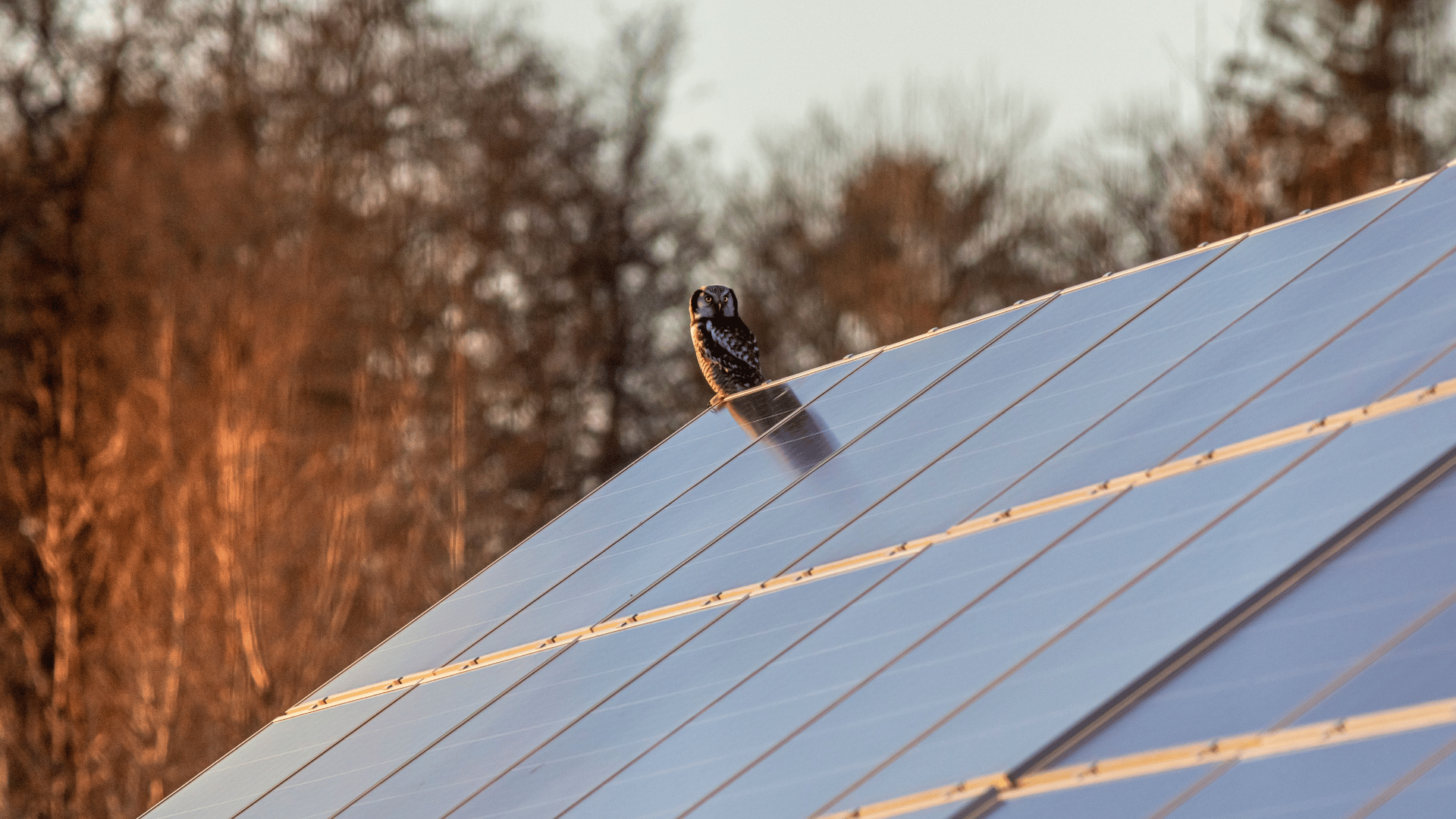
Solar’s appeal in Texas usually comes down to lower bills and long-term savings. What a lot of people don’t fully grasp going in is that the financing behind it can create real legal and financial obligations tied directly to the property itself, not just to them personally.
In some cases, that means an actual lien tied to the home after signing a long-term solar financing agreement. These liens can get in the way of refinancing, complicate a home sale down the line, and add real stress if a dispute develops with the solar company or the lender.
Before signing anything, it’s worth understanding exactly how solar financing works and what’s actually at risk if the system underperforms.
How Solar Financing Is Usually Structured
Most residential solar isn’t paid for outright — it’s financed. Companies frequently pitch financing as the easy, low-cost way to get panels installed without a big upfront bill. Homeowners typically see one of a few structures: solar loans, power purchase agreements (PPAs), leases, or long-term installment contracts, often running 20 to 25 years. The Department of Energy recommends reviewing every one of these terms carefully before signing anything.
Why the Fine Print Actually Matters Here
A lot of homeowners focus almost entirely on the projected savings and barely glance at the interest rate, the total repayment cost, the security agreement, the arbitration clause, or any property lien provisions buried in the contract. That’s exactly where problems tend to surface later if the system underperforms or a dispute breaks out.
What Is a Property Lien, Exactly?
A property lien is a legal claim against real estate, used as security for a debt. When you finance solar panels, the lender may get certain rights tied directly to the property — depending on how the deal is structured, that can include UCC filings, security interests, or lien language written into the contract itself. This becomes a real issue specifically when you go to sell, refinance, transfer ownership, or resolve a payment dispute. Most people don’t realize the scope of this until they’re already dealing with it.
How a Solar Lien Actually Plays Out
It Can Complicate Selling the House
This is one of the most common complaints. Buyers often hesitate to take on a large, ongoing solar loan balance tied to the house. In some cases, sellers end up needing to pay off the solar balance at closing, transfer the agreement to the buyer, or make other concessions just to get the deal done — which cuts into the flexibility homeowners normally expect when selling.
It Can Slow Down Refinancing
Mortgage lenders typically review everything attached to a property during refinancing, and a solar lien can complicate approval, interest rate negotiations, or underwriting generally. Some lenders will ask for additional paperwork specifically about the solar financing before they’ll move forward.
It Can Hurt Your Credit
If a dispute develops and payments stop, you could be looking at collection activity, negative credit reporting, and real financial pressure. The CFPB encourages consumers to fully understand secured obligations tied to their property before signing anything long-term.
What Happens When the System Doesn’t Perform
A lot of homeowners go in expecting a real drop in their electric bill. Some later find the bill stayed high, the system underperforms, the panels never activated properly, or the original savings projections were never realistic — leading straight into the “double payment” problem: paying the electric company and the solar lender at the same time.
The Long-Term Financial Weight of This
Some of these financing agreements run into tens of thousands of dollars in total repayment. Interest can inflate that total significantly, and the savings often don’t come close to offsetting the loan payment — meaning real financial strain that can stretch out for decades. The FTC has specifically warned about deceptive solar sales tactics and misleading financing claims.
Warning Signs Before You Sign Anything
Being Rushed
Be cautious if a salesperson insists incentives are about to disappear, rushes the paperwork, discourages your questions, or limits how much time you get to actually review anything. A legitimate company gives you time to read the agreement.
Promises That Aren’t in the Contract
Guaranteed savings, battery installation, warranty coverage, maintenance obligations — if it was said out loud but isn’t in writing, that’s a problem waiting to happen. Insist that everything important actually makes it into the document.
Financing Language That’s Genuinely Confusing
Look closely at total repayment obligations, interest rates, any property-related security interests, transfer requirements, and default provisions. If any of it is unclear, it’s worth having an attorney look at it before you sign.
Solar Company Bankruptcy Adds Another Layer
The industry has been financially unstable in recent years. If your installer goes under, you could end up with a non-functioning system, no warranty support, and nobody to call for repairs — while the financing company continues expecting payment regardless.
What to Do Before You Sign Anything
Get complete documentation on the financing agreement, warranty terms, installation contract, and energy production estimates. Look into the company itself — online complaints, Better Business Bureau records, licensing, litigation history. (The BBB Scam Tracker specifically has consumer information on solar-related complaints.) And ask directly: will this put a lien on my property? What happens if I sell? Can the financing transfer? What happens if there’s a dispute? Those questions alone can save you a lot of grief later.
If a Financing Dispute Develops
Start gathering documentation: the financing agreement, emails and texts, utility bills, marketing materials, installation paperwork, and your payment history. Note unexpected costs, collection activity, performance issues, and any communication with the lender or installer. This kind of record becomes important fast if things escalate.
When to Talk to a Solar Dispute Attorney
Worth a conversation if a lien has shown up on your property, the system never performed as promised, the financing terms were misleading, collection activity started, the installer disappeared, or selling or refinancing suddenly became difficult. An attorney can review the contracts, evaluate the financing structure, and explain your options under Texas law.
The Bottom Line
Solar can genuinely deliver when it’s honestly marketed and properly installed — but plenty of homeowners underestimate how much the financing agreement can affect their property rights down the line. A solar loan lien can complicate a sale, a refinance, your credit, and your long-term debt picture all at once. Review every financing term carefully, insist on getting promises in writing, and understand exactly how the agreement touches your property before you sign. If you’re already dealing with a solar financing dispute, legal guidance can help you sort out your options.
Featured Photo by Erik Karits
Litigation
State and federal trial practice — business torts, property and construction disputes, DTPA claims, anti-SLAPP defense, injunctions, and appeals.
Tell us what happened.
We offer a free, same-day 7–10 minute consultation to assess your legal issue and tell you honestly whether we can help. Call, email, or send us a short description of the matter and a number to reach you.