Common Solar Panel Scams Texas Homeowners Should Know About
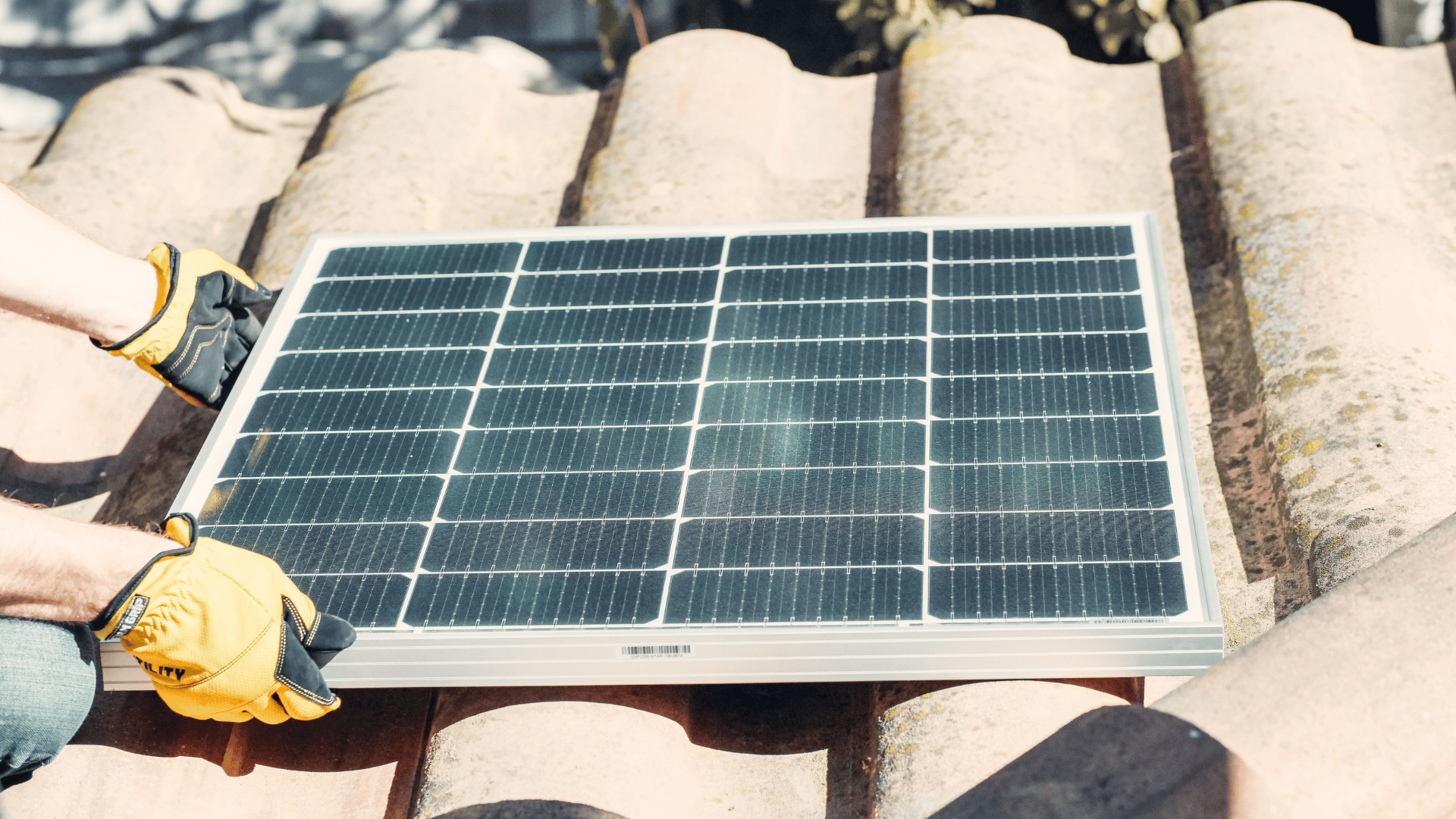
More and more Texas homeowners are looking into solar as utility costs keep climbing, drawn in by promises of lower bills, energy independence, and a smaller environmental footprint. Most solar companies are legitimate. But complaints about deceptive solar sales tactics have been climbing right alongside the industry’s growth, nationwide and here in Texas both.
Both the CFPB and the FTC have taken notice — the CFPB through enforcement action tied to misleading solar financing, and the FTC through public warnings about deceptive solar marketing. Knowing the common patterns behind solar panel scams in Texas can help you avoid getting stuck with a long-term financial mess.
How These Scams Usually Play Out
Most of these disputes start the same way: an aggressive sales pitch built on unrealistic promises about future savings — the electric bill will basically vanish, or drop dramatically, once the panels go up.
More often than people expect, that promise just doesn’t hold up. Homeowners find themselves still paying a real electric bill while also carrying a large monthly payment on a solar financing agreement that can run 20 to 25 years and total tens of thousands of dollars.
Patterns That Keep Showing Up
A handful of features show up again and again in complaints about solar panel scams in Texas.
“Free” Solar Panels
Some sales reps describe the system as “free,” or claim the homeowner will pay next to nothing out of pocket. In reality, most of these deals are long-term financing agreements that function exactly like a substantial loan — nothing about it is actually free.
Savings Projections That Were Never Realistic
Being told the system will basically eliminate your utility costs, when actual performance depends heavily on roof orientation, weather, usage habits, utility rate changes, and the size and quality of the installation. When those projections were inflated from the start, the homeowner was never going to hit the numbers.
Pressure to Sign Immediately
A major red flag on its own — special pricing or tax incentives that supposedly vanish if you don’t sign today, discouragement from reviewing the contract carefully or getting an attorney’s opinion first.
Verbal Promises That Never Made the Contract
Guaranteed savings, batteries, maintenance coverage, warranty protection, tax credit eligibility — all discussed, none of it in writing. When it’s not on paper, disputes get a lot harder to resolve later.
Why Elderly Homeowners Get Targeted So Often
A lot of complaints about solar panel scams in Texas specifically involve elderly or financially vulnerable homeowners — people who may be more inclined to trust a door-to-door salesperson, or who feel pressured during a long in-home presentation. The AARP Fraud Watch Network has specifically flagged solar sales tactics that target older homeowners. Solar financing contracts tend to be genuinely complicated, legally and financially, and that complexity hits some consumers harder than others.
The Financial Risk Baked Into These Agreements
Most homeowners focus almost entirely on the projected savings, and comparatively little on the actual financing terms — which is exactly where the real risk usually sits.
Loans That Run for Decades
Monthly payments can be higher than expected, interest can significantly inflate the total cost, and the promised utility savings may never actually offset the loan payment. A homeowner can end up paying substantially more for the system than they ever expected going in.
Liens Tied to the Property
Some agreements involve liens or security interests attached to the home itself, which can complicate a future refinance or sale. The Department of Energy specifically recommends reviewing every financing term carefully before signing.
Credit Damage
If a dispute develops and payments stop, homeowners can face collection activity, negative credit reporting, and real financial pressure — often without fully grasping how serious the financing agreement actually was until problems hit.
What Tends to Go Wrong After Installation
Not every solar dispute involves outright fraud — plenty of systems simply underperform. Still, a few recurring problems are worth understanding before you sign anything.
Panels That Never Actually Turn On
Installed, but never properly connected or approved to operate — meaning the homeowner can still owe the full monthly payment on a system producing nothing.
Equipment That Never Showed Up
Batteries or upgraded components promised during the sale that simply never arrived. These disputes usually come down to what the written contract actually says.
The Company Goes Under
The industry’s had real financial instability in recent years. If the installer disappears, you can be left with an unusable warranty, no service, and difficulty finding repairs — while the financing keeps going regardless.
Warning Signs Worth Taking Seriously
The Salesperson Avoids Putting Anything in Writing
Insist that every promise and every performance claim actually makes it onto paper.
Everything Feels Rushed
A legitimate company gives you real time to review and ask questions.
The Numbers Sound Too Good
No company can honestly guarantee eliminating your energy costs entirely, in every situation.
The Financing Terms Are Confusing
Understand the interest rate, total repayment, loan length, and any potential liens before agreeing to anything.
The Company Barely Shows Up Online
Check complaints, licensing, and reviews before you commit. The BBB Scam Tracker specifically has consumer guidance on solar-related complaints.
What to Do If You’re Already Dealing With a Problem
Start gathering documentation: contracts, financing agreements, utility bills, emails and texts, sales presentations, and warranty documents. It also helps to note unexpected utility costs, non-functioning equipment, missing components, and anything specific a sales rep told you. A lot of these disputes end up involving misrepresentation, deceptive trade practices, or financing-specific claims.
When to Talk to a Solar Dispute Attorney
Worth a conversation if the promised savings never happened, the system never worked properly, the financing terms were misrepresented, a lien affected your property, the installer disappeared or went bankrupt, or collection activity has started. An attorney can evaluate the facts, review the contracts, and explain your options under Texas law.
The Bottom Line
Solar can deliver real value when it’s properly installed and honestly marketed. But solar panel scams in Texas continue to create real financial stress for homeowners who were promised savings that never showed up. Review every contract carefully, get every promise in writing, and fully understand the long-term financial commitment before signing anything. If you’re already dealing with a solar dispute, talking to a lawyer can help you understand your options.
Featured Photo by Kindel Media
Litigation
State and federal trial practice — business torts, property and construction disputes, DTPA claims, anti-SLAPP defense, injunctions, and appeals.
Tell us what happened.
We offer a free, same-day 7–10 minute consultation to assess your legal issue and tell you honestly whether we can help. Call, email, or send us a short description of the matter and a number to reach you.