How Solar Panel Scams Really Work in Texas
McMillan & Black, PLLC | Texas Solar Scam Attorneys Helping Homeowners Fight Misrepresentations, Solar Loans, and Failed Solar installations
How Solar Panel Scams Really Work in Texas
Solar panels are not the problem by themselves. A properly designed, honestly sold, and professionally installed solar system can make sense for the right homeowner. The problem starts when a homeowner is sold a financial story that does not match reality.
Many Texas solar scam cases follow the same pattern. A salesperson knocks on the door or reaches out with a polished pitch. The homeowner is told that solar panels will eliminate or dramatically reduce the electric bill. The monthly payment is framed as affordable because the utility savings are supposed to offset it. The paperwork gets signed quickly. The panels are installed, or sometimes partly installed. Then the homeowner realizes the deal is nothing like what was promised.
Instead of one lower energy bill, the homeowner may now have two payments: the regular electric bill and a long-term solar loan. The solar company may stop answering. The lender may continue demanding payment. The promised battery may never show up. The panels may not produce enough energy. In some cases, the system may never be turned on at all.
That is the heart of many solar panel scams in Texas: the homeowner was sold savings, but received debt.
The Three Main Players in a Solar Scam
Solar disputes often involve more than one company. That is one reason these cases can feel so confusing for homeowners. The person who made the promise may not be the same company collecting the loan. The installer may point to the salesperson. The lender may point to the contract. The homeowner gets stuck in the middle.
1. The Solar Company
The solar company is usually the company connected to the sale, installation, or servicing of the system. In some cases, it may be a small company, a shell entity, a company that later shuts down, or a company that disappears when the homeowner needs warranty work or system support.
Homeowners often report that the solar company:
- Promised that the system would eliminate or greatly reduce the electric bill.
- Failed to install all promised equipment, such as batteries, monitoring devices, or additional panels.
- Installed panels that underperformed or never worked correctly.
- Failed to obtain necessary approvals, inspections, or utility permission to operate.
- Stopped servicing the system after the sale.
- Went out of business, filed bankruptcy, or became impossible to reach.
When that happens, the homeowner may still be expected to pay the solar loan even though the company that sold or installed the system is gone.
2. The Solar Financing Company or Solar Bank
The financing company is where many homeowners get blindsided. During the sales presentation, the focus is usually on monthly savings, not the long-term debt. But many residential solar transactions are financed through long-term agreements that can last 20 to 25 years. The total amount financed may be tens of thousands of dollars, and in some cases much more.
A homeowner may hear words like "financing arrangement," "power purchase agreement," "solar loan," "monthly solar payment," or "program payment." The label matters, but the practical problem is often the same: the homeowner is now tied to a long-term financial obligation that may not be offset by the promised energy savings.
The Consumer Financial Protection Bureau has warned about consumer risks in residential solar financing, including hidden markups and fees that can increase the loan principal above the cash price. That matters because the homeowner may think they are getting a low-interest solar deal while the real cost of the system has already been inflated before the first payment is due.
3. The Salesperson
The salesperson is often the person the homeowner remembers most. They may be friendly, persuasive, and confident. They may show charts, estimated savings, monthly payment comparisons, tax credit language, or promises about what the electric bill will look like after installation.
Common statements homeowners report hearing include:
- Your electric bill will disappear.
- The system will pay for itself.
- You will save money from day one.
- The government is paying for most of it.
- The panels will cover your household energy use.
- The batteries are included.
- You do not need to worry about the financing because the savings will cover it.
The problem is not that a salesperson was enthusiastic. The problem is when the promises used to close the deal do not match the contract, the loan, the system performance, or the homeowner’s actual electric bills.
The Promise That Gets Texas Homeowners to Sign
Most solar scams are built around one powerful idea: the homeowner is told they will save money. That promise is what makes the deal feel safe. It is also what makes the later damage so frustrating.
“Your Electric Bill Will Go Away”
This is one of the most common and most dangerous solar sales promises. A homeowner may be told that the panels will generate enough electricity to eliminate the monthly utility bill or reduce it so dramatically that the solar loan will feel like a replacement payment instead of a new debt.
In reality, solar savings depend on many facts, including the size of the system, roof orientation, shade, household usage, utility rates, weather, installation quality, and whether the system is actually activated and functioning. A promise that ignores those facts can be misleading. The U.S. Department of Energy explains that potential solar savings depend on several factors, which means the numbers must be evaluated for the actual home - not just presented as a universal sales pitch.
“The System Will Pay for Itself”
Another common promise is that the monthly savings will cover the monthly solar payment. That sounds appealing because the homeowner is not being asked to think of the transaction as a major new debt. They are being told the savings will handle it.
When the system underperforms, the math collapses. The homeowner may save a small amount on electricity but still owe a much larger monthly solar payment. If the electric bill only drops by 10%, 20%, or even 50%, that may still be nowhere close to what was promised. The result is the double payment trap.
“There Will Be No Real Out-of-Pocket Cost”
Some solar deals are sold as if the homeowner is barely taking on a financial burden. The pitch may focus on tax credits, rebates, incentives, low monthly payments, or future savings. But a long-term solar loan is still a serious financial obligation.
The Federal Trade Commission has warned consumers to be cautious of claims that solar is free or that government programs will cover the cost. Honest solar companies should be able to explain what the system costs, what financing terms apply, and what assumptions are being used to estimate savings.
What Happens After the Solar Panels Are Installed?
The scam usually becomes obvious after the homeowner has already signed the documents. That is when the sales pitch meets the actual electric bill.
The Double Payment Trap
The double payment trap happens when the homeowner is left paying both the solar loan and the electric company. Instead of replacing the utility bill, the solar financing becomes a second bill.
This is one of the most common complaints in Texas solar scam cases. The homeowner expected savings. Instead, the homeowner gets a loan payment, a remaining electric bill, and no realistic path back to the deal they thought they were signing.
The Panels Do Not Produce Enough Power
In some cases, the panels are turned on but do not produce enough electricity to match the promises made during the sales process. The homeowner may still receive meaningful electric bills. The system may not be sized correctly. The production estimates may have been unrealistic. The household’s usage may not have been properly evaluated. Shade, roof angle, equipment problems, or installation issues may reduce performance.
The legal issue is not simply that the system saved less than the homeowner hoped. The issue is whether the homeowner was misled about expected savings, system capacity, financing terms, or the actual value of the deal.
The System Never Turns On
Some homeowners end up with panels on the roof but no functioning solar system. The reasons vary. There may be inspection problems, permitting issues, utility approval delays, defective installation work, or incomplete project closeout. Sometimes the homeowner is told the system will be activated soon, but the loan payments begin anyway.
That creates an especially ugly situation: the homeowner is paying for a system that is not producing electricity at all.
Promised Equipment Is Missing
Solar disputes can also involve missing equipment. A homeowner may have been promised batteries, extra panels, monitoring equipment, roof work, electrical upgrades, or other system features. When those items never appear, the homeowner needs to know whether the promises were documented and whether the contract, proposal, sales materials, texts, emails, or recorded statements support the claim.
The Solar Company Disappears or Stops Servicing the System
Another common problem is that the solar company stops responding after the sale. If the system breaks, the warranty may become meaningless if the company is gone. If storm damage occurs, the homeowner may not know who is responsible. If the installation was defective, the lender may still demand payment while the installer refuses to help.
That is why the financing company can matter so much. The installer may disappear, but the loan usually does not.
Who Gets Targeted by Solar Scams?
Anyone can be misled by a polished sales presentation, especially when the numbers are presented as if the deal is obvious. But certain homeowners may be especially vulnerable.
Older Homeowners
Older homeowners may be targeted because they often have home equity, may own their homes outright, and may be more receptive to in-person sales conversations. They may also be drawn to the promise of reducing monthly bills during retirement.
Homeowners on Fixed Incomes
A homeowner on a fixed income may be especially attracted to a promise that the electric bill will disappear. That is what makes the sales pitch so damaging. The homeowner is not looking for a luxury upgrade. They are often trying to reduce monthly expenses.
Homeowners With Equity
Solar financing can become especially dangerous when the debt affects the property. Some homeowners do not fully understand how the financing may impact their ability to sell, refinance, transfer, or clear title to the home. If the solar debt has to be addressed at closing, the homeowner may feel trapped years after the sale.
The Three Bad Options Homeowners Often Face
By the time many homeowners call a lawyer, the problem has already become expensive. The homeowner may feel like every option is bad. That frustration is real.
Option 1: Keep Paying the Solar Loan
The first option is to keep paying. This may protect the homeowner’s credit and avoid immediate collection pressure, but it does not fix the underlying problem. The homeowner may continue paying for a deal that was never delivered. If the system is not saving what was promised, the homeowner may be stuck paying both the loan and the electric bill for years.
Option 2: Stop Paying and Deal With the Consequences
The second option is to stop paying. That may feel fair when the system does not work or the promised savings never happened, but it can create serious consequences. The lender may report missed payments, damage credit, pursue collection, shut off monitoring or system-related services, or claim an interest connected to the property depending on the documents involved.
For many homeowners, the biggest fear is what happens when they try to sell the house. If the solar loan, lien, UCC filing, or other property-related obligation has to be addressed before closing, the solar deal can follow the homeowner long after the original salesperson disappeared.
Option 3: Challenge the Solar Company, Lender, or Other Responsible Parties
The third option is to fight back. That can involve legal expense, time, and stress, but it may be the only path toward getting out of the loan, recovering money, fixing property damage, removing defective equipment, or forcing the responsible parties to answer for what happened.
For many Texas homeowners, the goal is simple: get back to zero. That means trying to put the homeowner as close as possible to where they would have been if the solar nightmare had never happened - no improper loan, no damaged roof, no useless panels, no ongoing double payments, and no surprise property problem waiting at closing.
What Evidence Matters in a Texas Solar Scam Case?
Solar scam cases are fact-heavy. The strongest cases usually depend on what was promised, what was signed, what was installed, what the system actually produced, and what the homeowner paid.
Homeowners should gather and save:
- The solar contract, financing agreement, power purchase agreement, or loan documents.
- Any proposal, savings estimate, system design, production estimate, or sales presentation materials.
- Texts, emails, voicemails, or written communications with the salesperson, installer, or lender.
- Utility bills from before and after installation.
- Solar loan statements and payment history.
- Photos of the panels, roof, electrical equipment, batteries, or missing equipment.
- Inspection reports, permit documents, utility approval documents, and permission-to-operate communications.
- Warranty documents, repair requests, service tickets, and records showing the company stopped responding.
- Any credit reporting, collection letters, lien notices, UCC filings, payoff demands, or closing documents involving the solar loan.
The details matter because every solar case has its own variation. Some homeowners were promised complete elimination of the electric bill. Others were promised major savings. Some were promised batteries and did not receive them. Some had panels installed that never turned on. Some were signed up for more than one solar loan. The legal strategy depends on the specific facts.
Where the Texas DTPA May Fit In
Many Texas solar scam cases involve alleged misrepresentations made to consumers. Depending on the facts, the Texas Deceptive Trade Practices Act may be one tool for addressing deceptive or misleading sales practices. The DTPA generally requires written notice before filing suit, and the notice process can become an important early step in a solar dispute.
This article is not meant to turn into a full DTPA guide. The important point for solar homeowners is narrower: if the sales pitch was deceptive, the savings were misrepresented, the financing terms were confusing, or the company failed to deliver what was promised, legal claims may exist. A lawyer can evaluate whether the facts support a DTPA claim or another legal remedy.
What About Arbitration Clauses in Solar Contracts?
Many solar agreements include arbitration clauses. That means the dispute may not proceed like a traditional lawsuit in court. Instead, the homeowner may be required to pursue the case through arbitration, or the other side may ask a court to send the dispute to arbitration.
That does not mean the homeowner has no options. It means the forum may change the strategy, cost, timeline, and process. Solar arbitration can still involve evidence, claims, damages, and legal arguments. But the procedure may look different from a regular court case.
For this blog, the key point is simple: do not assume the contract is harmless just because the salesperson focused on monthly savings. The arbitration clause, financing terms, lien language, warranty language, and cancellation provisions may all matter later.
Red Flags Before Signing a Solar Contract
Some homeowners find this article after the damage is already done. Others may still be deciding whether to sign. These red flags should make any Texas homeowner slow down before agreeing to a solar deal:
- The salesperson promises that the electric bill will disappear.
- The salesperson says the system is free or paid for by the government.
- The homeowner is pressured to sign the same day.
- The written contract does not match the verbal promises.
- The savings estimate does not explain the assumptions used.
- The financing documents are rushed or hard to understand.
- The company will not clearly explain the total loan amount, total repayment amount, interest rate, fees, or loan duration.
- The homeowner is not given time to compare the cash price and financed price.
- The salesperson promises equipment that is not clearly listed in the contract.
- The homeowner is told not to worry about the details because the savings will cover everything.
The FTC has warned consumers to be cautious of solar sales promises involving free solar panels, no electric bills, government-covered installations, or pressure tactics. A legitimate company should be willing to put important promises in writing and give the homeowner time to review the deal.
What Should You Do If You Think You Were Trapped in a Solar Scam?
If you believe you were misled, start by preserving evidence. Do not rely on memory alone. Solar companies and lenders often point to the written documents, so you need the full paper trail.
- Gather the contract, financing documents, proposals, sales materials, and loan statements.
- Save every utility bill from before and after installation.
- Write down what the salesperson promised, when the promise was made, and who was present.
- Save texts, emails, voicemails, screenshots, and app messages.
- Take photos of the panels, roof damage, batteries, electrical equipment, or missing equipment.
- Request system production data if available.
- Document every repair request, failed inspection, permit issue, or activation delay.
- Speak with an attorney before making decisions that could affect your credit, your home, or your legal claims.
The earlier the issue is evaluated, the easier it may be to identify the responsible parties, preserve leverage, and determine whether the homeowner has a path to challenge the deal.
McMillan & Black Helps Texas Homeowners Investigate Solar Panel Scams
McMillan & Black, PLLC represents Texas homeowners who believe they were misled into solar panel loans or solar financing agreements based on promises that never came true. Our firm investigates what was said, what was signed, who was involved, what the system actually produced, and what damage the homeowner is now facing.
Solar scam cases are not just about disappointment. They can involve major debt, damaged credit, roof damage, missing equipment, broken warranties, liens or property-related claims, and years of payments for a system that did not deliver what was promised.
If you were promised lower electric bills but are still paying both a solar loan and your utility company, or if your solar panels were never turned on, never worked properly, or came with financing terms that do not match what you were sold, contact McMillan & Black, PLLC to discuss your options.
Frequently Asked Questions About Solar Panel Scams in Texas
Is every bad solar deal a scam?
No. Some solar systems underperform for reasons that may not involve fraud or deception. The legal question is whether the homeowner was misled about savings, financing, system performance, equipment, warranties, or other important terms.
What is the double payment trap?
The double payment trap happens when a homeowner is left paying both the solar loan and the electric company. Instead of replacing the utility bill, the solar payment becomes an additional monthly expense.
Can a solar loan affect my ability to sell my home?
It can, depending on the financing documents and how the obligation is recorded or handled. Some homeowners discover solar loan problems when they try to sell or refinance the property and are told the solar obligation must be addressed.
What if my solar panels were installed but never turned on?
That can be an important fact in a solar dispute. Homeowners should gather inspection records, utility approval communications, permission-to-operate documents, service requests, and loan statements to show when payments began and whether the system was producing electricity.
What if the solar company went out of business?
The disappearance of the installer does not automatically end the financing obligation. It may, however, affect the legal strategy and which parties should be evaluated. The financing company, sales entity, installer, and other involved parties may need to be reviewed.
Should I stop paying my solar loan?
That decision can have credit, collection, and property consequences. Homeowners should speak with an attorney before stopping payments so they understand the risks and available options.
Can a Texas homeowner sue over solar misrepresentations?
Depending on the facts, a homeowner may have legal claims based on misrepresentation, deceptive trade practices, breach of contract, warranty issues, or other theories. An attorney can evaluate the documents and facts to determine what claims may apply.
Federal Trade Commission, Solar Power for Your Home:
https://consumer.ftc.gov/articles/solar-power-your-home
Federal Trade Commission, Solar energy is rising in popularity. So are the scams:
https://consumer.ftc.gov/consumer-alerts/2024/09/solar-energy-rising-popularity-so-are-scams
Consumer Financial Protection Bureau, Issue Spotlight: Solar Financing: https://www.consumerfinance.gov/data-research/research-reports/issue-spotlight-solar-financing/
U.S. Department of Energy, Homeowner’s Guide to Solar: https://www.energy.gov/cmei/systems/homeowners-guide-solar
Texas Business & Commerce Code Chapter 17, Deceptive Trade Practices: https://statutes.capitol.texas.gov/Docs/BC/htm/BC.17.htm
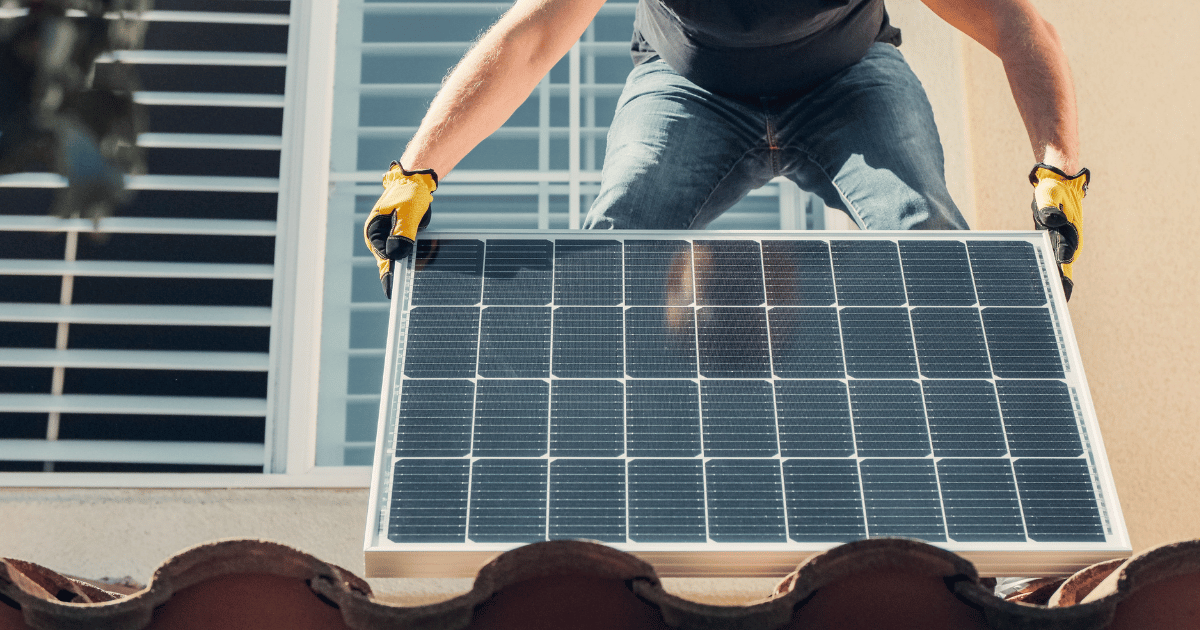
Featured Photo by Kindel Media
Litigation
State and federal trial practice — business torts, property and construction disputes, DTPA claims, anti-SLAPP defense, injunctions, and appeals.
Tell us what happened.
We offer a free, same-day 7–10 minute consultation to assess your legal issue and tell you honestly whether we can help. Call, email, or send us a short description of the matter and a number to reach you.