Texas Solar Panel Fraud and the Deceptive Trade Practices Act
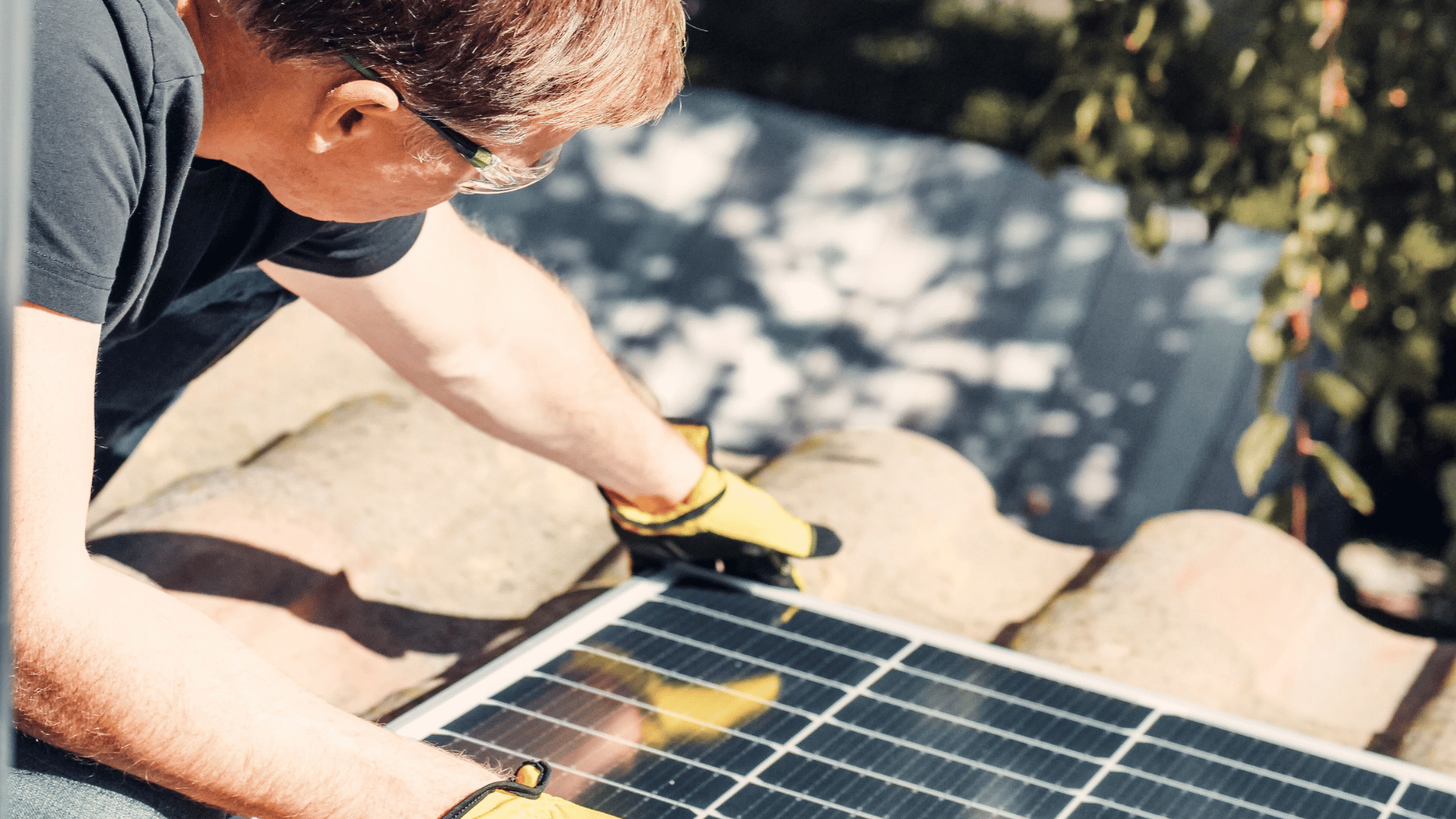
Solar keeps growing in popularity across Texas as people look for a way out from under rising utility costs, and the pitch usually leans on lower bills, energy independence, and savings that build over time.
Alongside that growth, complaints about Texas solar panel fraud have gotten more common too. Some homeowners say the system never delivered the savings they were promised; others say they were misled about the financing, the warranty, or how the system would actually perform.
When the sales process crosses into genuinely deceptive territory, Texas consumers may have real legal protection under the Texas Deceptive Trade Practices Act — usually just called the DTPA. Understanding how these claims actually work can help homeowners recognize a legal problem for what it is.
What Is the Texas DTPA?
It’s a consumer protection statute aimed squarely at false, misleading, and deceptive business practices. It lets consumers bring legal claims when a business crosses certain lines in how it sells goods or services — the statute itself lays out what conduct is prohibited and what remedies are on the table. In solar disputes specifically, DTPA claims tend to come up when a homeowner says they were misled somewhere in the sales or financing process.
Patterns That Show Up Repeatedly in These Cases
Every dispute is fact-specific, but certain patterns keep appearing in Texas solar panel fraud complaints.
Savings Claims That Didn’t Hold Up
Homeowners often report being told the electric bill would disappear entirely, that the system would pay for itself, or that solar payments would fully replace the utility bill. In reality, actual performance depends on usage, utility rates, weather, roof orientation, and equipment quality — the Department of Energy is upfront that this varies significantly property to property. When the sales projections were never realistic to begin with, disputes tend to follow once the system is up and running.
Financing That Wasn’t Fully Understood
Some homeowners say they didn’t really grasp what they were signing — surprise interest costs, long repayment terms, ballooning obligations, or lien issues tied to the property. These agreements often run 20 to 25 years with substantial repayment totals, and the CFPB has already brought enforcement action over solar financing practices it viewed as misleading.
Promises That Disappeared by Signing Time
A lot of disputes trace back to something said during the pitch that simply isn’t in the final contract — guaranteed savings, batteries, tax credits, maintenance, warranty coverage. When what was said and what was signed don’t match, things get complicated fast.
Systems That Never Actually Worked
Panels never activated, failed inspections, underperforming equipment, repairs that never happened. The financing, unfortunately, usually keeps going whether or not the system does.
Why These Disputes Escalate Quickly
Most homeowners think they’re making a smart financial move going in. The trouble tends to surface only after installation is done.
Paying the Utility and the Lender at the Same Time
The classic complaint: a real solar loan payment every month, stacked on top of an electric bill that barely moved. Instead of replacing the utility cost, the financing becomes an entirely new expense on top of it.
Liens and Credit Fallout
Some agreements involve security interests, UCC filings, or other property-tied obligations, which can complicate a home sale, a refinance, collections, or credit reporting — often something homeowners only discover once a dispute is already underway.
The Installer Disappearing Entirely
The solar industry has seen real financial instability. If the installer goes under, homeowners can be left with a dead warranty, a non-functioning system, and no one to service it — while the financing company keeps pursuing payment regardless.
What Damages Are Actually Available Under the DTPA?
It depends entirely on the facts and whether deceptive conduct can actually be proven. Potential remedies can include economic damages, attorney’s fees, court costs, and in some circumstances additional damages. Every case is different, and outcomes swing a lot depending on the evidence and the specific contract language involved.
Documentation Matters a Lot Here
Homeowners should hold onto financing agreements, installation contracts, utility bills, emails and texts, marketing materials, warranty documents, and photos of the system. It’s also worth writing down unexpected costs, failed repair requests, communications with the lender or installer, and specifically what was said during the sales process. Solid documentation helps establish exactly what was promised versus what actually happened.
The DTPA Demand Letter Requirement
Before filing most DTPA claims, Texas law generally requires sending written notice to the other side first — commonly called a demand letter. That notice typically lays out the alleged misconduct, describes the damages being claimed, and gives the other party a chance to resolve things before anyone files suit. It’s a procedural step that matters in a lot of Texas consumer protection cases, not just a formality.
Arbitration Clauses Can Complicate Things
Many solar financing agreements include mandatory arbitration provisions — a private dispute resolution process that works differently from a normal lawsuit. These clauses can limit where disputes get heard, restrict class action claims, and generally require private arbitration instead of a court case. The FTC advises reading every solar contract carefully before signing, and arbitration language deserves particular attention since it can significantly change how a dispute actually plays out.
Warning Signs Worth Watching
Pressure to sign quickly, savings guarantees that sound too good, financing language that’s genuinely confusing, promises that were never put in writing, a company with a thin track record, or vague warranty information — all worth taking seriously before signing anything.
When to Talk to a Solar Dispute Attorney
Worth a conversation if the promised savings never happened, the system doesn’t function properly, the financing terms turned out to be misleading, collection activity has started, a lien is complicating things, or the installer disappeared or went bankrupt. An attorney can look at the contracts, evaluate what claims might exist, and walk through your options under Texas law.
The Bottom Line
Anyone considering solar in Texas should look closely at the entire sales and financing process before signing anything long-term. Most solar companies operate honestly, but Texas solar panel fraud complaints keep surfacing around misleading savings claims, financing disputes, and systems that just don’t work. The DTPA can provide real remedies when the sales process crosses into deceptive territory, and homeowners dealing with serious problems may benefit from talking to a lawyer about their options.
Featured Photo by Kindel Media
Litigation
State and federal trial practice — business torts, property and construction disputes, DTPA claims, anti-SLAPP defense, injunctions, and appeals.
Tell us what happened.
We offer a free, same-day 7–10 minute consultation to assess your legal issue and tell you honestly whether we can help. Call, email, or send us a short description of the matter and a number to reach you.