The Hidden Risks Buried in Long-Term Solar Financing Agreements
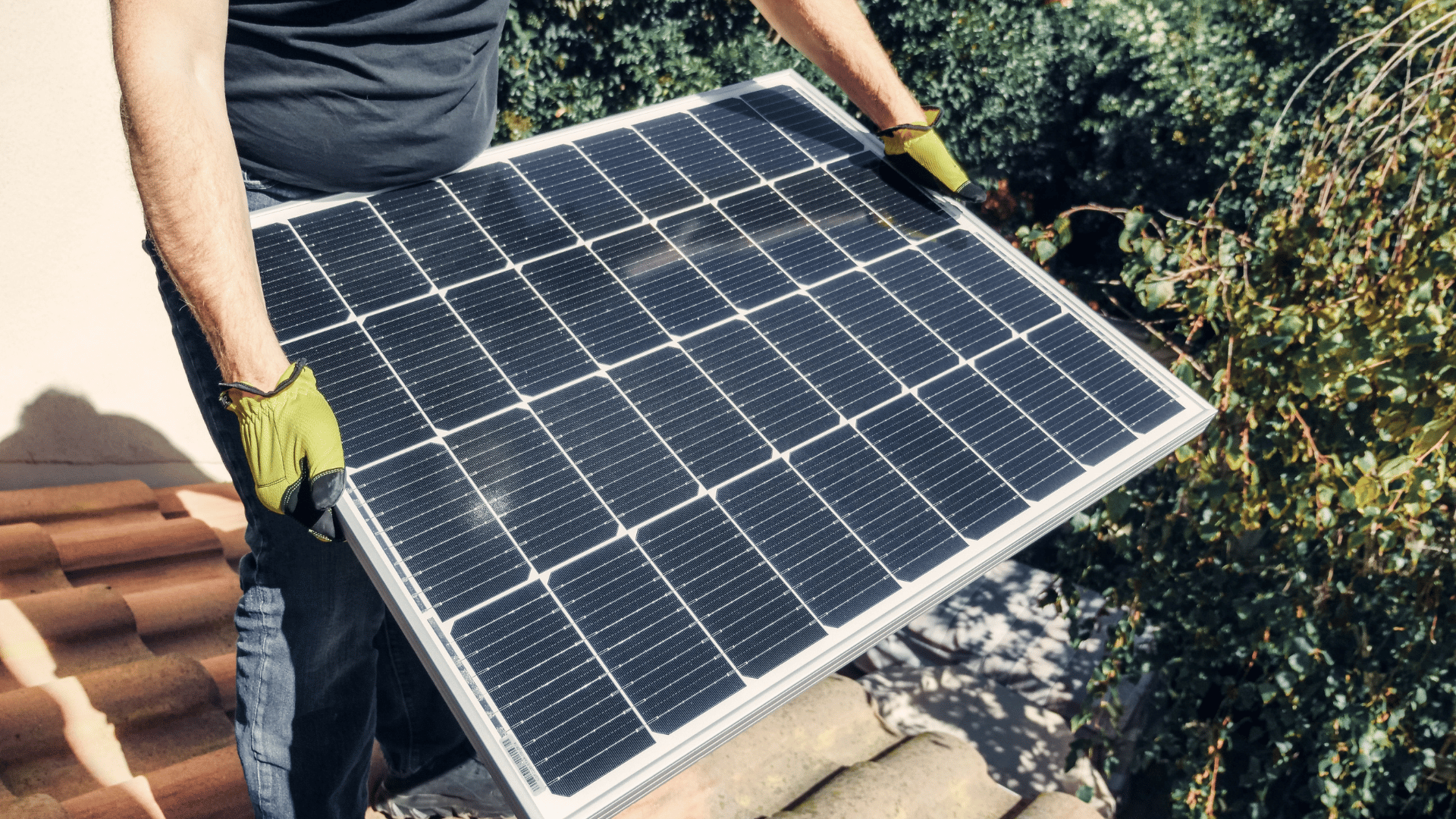
Solar has caught on across Texas as people look to cut utility costs and use energy more efficiently, with companies typically leaning hard on low monthly payments and long-term savings as the pitch. For a lot of buyers, the financing agreement ends up being the single most important part of the whole deal — and the part they understand the least.
Plenty of homeowners don’t grasp the real risk in these agreements until something’s already gone wrong: a bigger-than-expected repayment total, loan terms that were more confusing than they realized, a lien tied to the property, or a system that just never produces what was promised.
Before signing anything, it’s worth understanding how these agreements actually work and what the long-term financial picture really looks like.
How Solar Financing Is Typically Structured
Most residential systems get financed through a third-party lender rather than bought outright — solar loans, power purchase agreements (PPAs), leases, or long installment contracts, frequently running 20, 25, or more years. The Department of Energy recommends reviewing the entire financing structure carefully before signing anything.
Why Sales Presentations Lean So Hard on Financing
Most pitches emphasize monthly payment comparisons, utility savings estimates, tax incentives, and sometimes even “free solar” language — while spending very little time on the interest rate, the total repayment obligation, property lien provisions, arbitration clauses, or default terms. That imbalance is exactly where the surprises come from later.
What These Agreements Actually Cost Over Time
A lot of homeowners assume the utility savings will fully offset the financing payment. That assumption doesn’t always hold up.
Interest Adds Up Fast
The monthly payment might look manageable at first glance, but interest can dramatically inflate the total cost over the life of the loan. Homeowners often discover after the fact that the total repayment blew past the original installation price, that decades of debt snuck up on them, or that the monthly savings projections were never realistic. The CFPB has taken enforcement action over solar financing practices it viewed as misleading and overly expensive.
Paying the Utility and the Lender Both
The classic complaint: a real solar loan payment stacked on top of an electric bill that barely moved. Instead of replacing the utility cost, the loan becomes an entirely separate expense layered on top of it — and that combination can create serious long-term financial strain.
Where Misleading Sales Tactics Tend to Show Up
“Your Bill Will Disappear”
Some homeowners report being promised the system would eliminate the electric bill, “pay for itself,” or produce savings that exceed the loan payment. Real performance depends on usage, roof orientation, weather, rate changes, and equipment quality — the FTC has specifically flagged unrealistic solar savings claims as a consumer protection concern.
Verbal Promises That Vanish by Signing Time
Guaranteed savings, battery installations, maintenance obligations, tax incentive promises, warranty terms — all discussed during the pitch, none of it in the actual contract. When a dispute happens, the written agreement is almost always what controls.
Feeling Rushed Into Signing
Pressure to sign immediately, claims that incentives are about to expire, limited time to actually review anything, discouragement from talking to a lawyer first — a long-term financial commitment like this should never feel rushed.
Property Liens and What They Mean for Homeownership
Some agreements involve security interests, UCC filings, or other property-tied obligations, which can complicate selling, refinancing, or transferring the home — often something homeowners don’t discover until they’re years down the road trying to do exactly that.
How This Plays Out at Sale Time
Buyers can be hesitant to take on a large remaining balance, a long repayment term, or an underperforming system. Sometimes the seller ends up needing to pay off the solar balance before closing, transfer the agreement, or renegotiate price — all of which cuts into the flexibility a home sale normally allows.
What If the Installer Goes Out of Business?
The solar industry has had real financial instability in recent years. If the installer disappears, you may be left with a non-functioning system, a worthless installation warranty, and no one to call for repairs — while the financing agreement itself usually keeps going regardless.
Warranty Coverage Often Takes the Biggest Hit
Homeowners tend to assume their warranty is fully intact even after a bankruptcy. In reality, the installation warranty often disappears, finding a repair provider gets harder, and replacement servicing can get expensive fast — adding real pressure on top of an already underperforming system.
Arbitration Clauses Buried in the Agreement
A lot of solar financing includes mandatory arbitration, which can block a lawsuit, force private dispute resolution, and restrict class action claims. The CFPB has noted arbitration clauses can significantly affect how consumers resolve financial disputes — and a lot of homeowners don’t even realize they agreed to it until a dispute is already underway.
Red Flags Worth Taking Seriously
Guarantees That Sound Too Good
No company can promise identical results for every home. Be skeptical of complete bill elimination, guaranteed profits, or “free” solar claims.
Loan Terms You Don’t Fully Understand
Make sure you actually understand the interest rate, repayment schedule, total obligation, default terms, and anything tied to the property before signing.
A Company With a Thin Track Record
Check complaint history, BBB records, licensing, reviews, and litigation history. The BBB Scam Tracker specifically tracks solar-related complaints and deceptive practice patterns.
Before You Sign Anything
Read every document carefully. Get copies of everything. Make sure every promise actually shows up in writing. Fully understand the repayment obligation. Understand exactly how disputes get resolved under the contract. Compare total repayment costs, expected savings, warranty terms, and maintenance obligations side by side before committing to anything.
If Problems Develop
Start documenting immediately: the financing agreement, utility bills, emails and texts, marketing materials, warranty documents, and the installation contract. Track unexpected costs, system failures, collection activity, and what was actually said during the sales process. Solid documentation matters a lot if this ends up in a legal dispute.
When to Talk to a Solar Dispute Attorney
Worth reaching out if the system failed to deliver the promised savings, the financing terms were misleading, a lien created problems, collection activity started, the installer disappeared, or the system never actually worked. An attorney can review the contracts, evaluate the financing structure, and explain your options under Texas law.
The Bottom Line
Long-term solar financing can create real financial obligations that a lot of homeowners don’t fully grasp during the sales process. Solar can absolutely deliver legitimate benefits — but misleading sales tactics, unrealistic projections, and confusing financing structures have created real problems for a lot of Texas consumers. Review every provision, get every promise in writing, and understand the full repayment picture before signing anything. If you’re already dealing with a financing dispute, legal guidance can help you understand your options.
Featured Photo by Kindel Media
Litigation
State and federal trial practice — business torts, property and construction disputes, DTPA claims, anti-SLAPP defense, injunctions, and appeals.
Tell us what happened.
We offer a free, same-day 7–10 minute consultation to assess your legal issue and tell you honestly whether we can help. Call, email, or send us a short description of the matter and a number to reach you.