What Happens If Your Solar Company Goes Bankrupt?
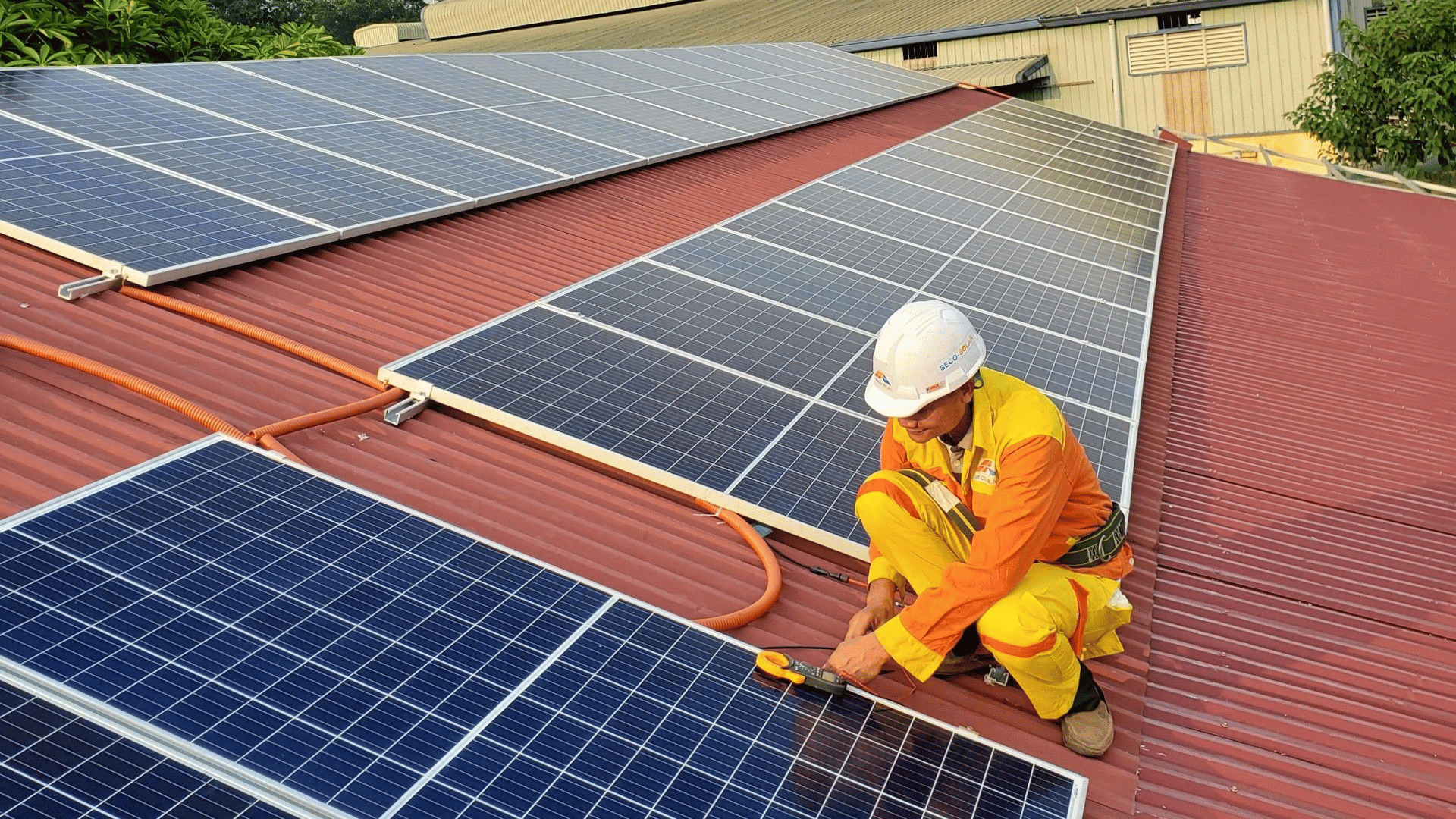
Solar has taken off across Texas as people look for ways to cut utility costs and use energy more efficiently. Most homeowners sign up expecting real long-term savings, dependable equipment, and a warranty they can actually rely on.
The problem is that the residential solar industry has been financially unstable for a while. Installers shut down, file for bankruptcy, or just disappear after the job’s done — more often than people expect.
When that happens, the fallout usually goes well beyond just losing the installer. Warranties get hard to enforce, repairs stop happening, and — this is the part that surprises people most — the financing obligation almost always keeps going.
Why a Bankrupt Installer Doesn’t Solve Your Financial Problem
A lot of people assume that if the installer disappears, so does their obligation to pay. That’s usually not how it works. Solar deals typically involve several separate parties — the installer, the financing company, the equipment manufacturer, and sometimes a third-party servicer. Even after the installer is gone, the financing company can still come after payment under the loan terms, which puts real financial pressure on someone whose system may not even be working anymore.
What Happens to the Warranty?
Warranty problems are one of the first things people run into after a bankruptcy.
The Installer’s Own Warranty May Be Worthless
A lot of solar companies offer their own workmanship warranty, covering things like roof penetrations, installation defects, electrical work, and performance issues. Once that company is gone, there’s often nobody left to actually honor it.
The Manufacturer’s Warranty Might Still Be Good
Panel, inverter, and battery manufacturers frequently offer their own separate warranties, and those can survive even if the installer is long gone. The Department of Energy recommends understanding this distinction — installer warranty versus manufacturer warranty — before you ever sign anything. Even so, actually using a manufacturer warranty without the original installer around to help can get complicated fast.
Finding Someone to Actually Do the Repair
Even where a warranty technically still applies, homeowners often struggle just to find someone willing to touch the system — locating a new installer, covering extra labor costs, handling the warranty claim process, or even diagnosing what’s wrong in the first place. Some repair companies are hesitant to take on systems they didn’t originally install, especially from a company that’s no longer around to answer questions.
The Loan Usually Doesn’t Disappear
One of the biggest surprises for homeowners: the financing agreement is often completely separate from the installer, which means it usually survives the installer’s bankruptcy without issue.
Why the Debt Sticks Around
The lender and the installer are typically two different businesses. So the installer can vanish, the system can stop working, warranty support can dry up — and the homeowner can still owe the entire remaining balance. The CFPB has taken enforcement action over solar financing practices it considered misleading, and these agreements often run 20 to 25 years, with total repayment reaching well into five figures.
Paying Twice
This is the classic bind: the monthly solar payment keeps coming due while the electric bill hasn’t actually gone anywhere, especially once the system stops performing. Whatever savings were supposed to offset the loan payment simply never show up.
What Homeowners Commonly Run Into After a Bankruptcy
Every situation is different, but a few patterns come up repeatedly.
The System Just Stops Working
Panels stop producing, inverters fail, the monitoring app goes dark, and there’s nobody left to fix any of it. Small problems tend to snowball into expensive ones without ongoing service.
Roof Damage
A poor installation or a bad roof penetration can lead to water intrusion, structural issues, or interior damage — and if the installer’s gone, recovering those repair costs gets a lot harder.
Jobs That Were Never Finished
Some homeowners find out the installation was never actually completed before the company folded — missing equipment, failed inspections, unfinished electrical work, or a system that was never even connected to the grid. The financing, unfortunately, is usually active regardless of whether the job was ever finished.
Can You Just Stop Paying the Loan?
Understandably, a lot of people ask this. The honest answer depends on the financing agreement itself, the condition of the system, the specific facts of the dispute, and applicable law. Stopping payments can trigger collection activity, hurt your credit, lead to a lien, or spark a legal dispute. Talk to a lawyer before making that call — it’s not a decision to make on a whim.
How Liens Complicate Things Further
Some solar financing agreements involve security interests, UCC filings, or other property-tied obligations, which can affect selling the house, refinancing, or transferring the property. A lot of homeowners don’t discover this until they’re mid-transaction on something else entirely. The CFPB recommends fully understanding any financing tied to your property before you sign.
What to Look For Before You Ever Sign
How Stable Is the Company, Really?
Look at online reviews, complaint history, how long they’ve actually been in business, licensing, and litigation history. A newer or financially shaky company is a bigger long-term risk, plain and simple.
Savings Claims That Sound Too Good
Be skeptical of guaranteed elimination of your electric bill, “free” solar, or unrealistic projections about your return. Actual savings vary a lot based on factors specific to your home.
Feeling Rushed
Pressure to sign fast, discouraging you from getting a lawyer’s opinion, a vague explanation of the financing terms, or verbal promises that never make it into the contract — all worth taking seriously. The FTC’s guidance here is simple: read every financing document carefully before signing.
If Your Solar Company Has Already Gone Under
Start gathering documentation now: the financing agreement, installation contract, warranty paperwork, emails and texts, utility bills, and photos of the system. Keep notes on system failures, any repair attempts, communications with the lender, and unexpected costs. This kind of documentation tends to matter a lot if a dispute develops later.
When to Talk to an Attorney
Worth a conversation if the installer disappeared, the system stopped working, you’re still making payments despite major problems, collection activity has started, a lien is affecting your property, or the system was never actually finished. An attorney can review the contracts, look at the financing structure, and explain what options exist under Texas law.
The Bottom Line
A solar company going bankrupt can leave homeowners in a genuinely difficult spot — expecting savings and warranty protection, and instead facing a system that doesn’t work and a loan that’s very much still active. Before signing anything, take the company’s stability seriously, understand exactly what the warranty does and doesn’t cover, and read the financing agreement in full. If you’re already dealing with the fallout from a bankrupt installer, it’s worth getting legal advice to understand your options.
Litigation
State and federal trial practice — business torts, property and construction disputes, DTPA claims, anti-SLAPP defense, injunctions, and appeals.
Tell us what happened.
We offer a free, same-day 7–10 minute consultation to assess your legal issue and tell you honestly whether we can help. Call, email, or send us a short description of the matter and a number to reach you.