Why Almost Every Solar Contract Has an Arbitration Clause
Homeowners tend to pore over the projected savings numbers in a solar contract and barely glance at the dispute resolution section. That’s a mistake, because that section often contains one of the most consequential provisions in the whole agreement: the arbitration clause.
These clauses have become close to standard in residential solar financing, and they can completely change how a dispute gets handled if something goes wrong with system performance, financing, warranties, or the sales pitch itself. A lot of homeowners are surprised to learn, mid-dispute, that filing a normal lawsuit isn’t actually an option — they’re locked into private arbitration instead.
Understanding how this works before you sign a long-term solar contract can save a lot of frustration later.
What Exactly Is an Arbitration Clause?
It’s a provision requiring that disputes get resolved through arbitration rather than a court case. Arbitration is a private process — a neutral third party, the arbitrator, hears the evidence and makes a decision, rather than a judge or jury. Solar contracts commonly require arbitration for disputes involving financing, system performance, installation problems, warranty issues, and misrepresentation claims. The CFPB has noted that arbitration clauses can meaningfully limit a consumer’s ability to pursue claims in court.
Why Solar Companies Like Arbitration
Arbitration shows up across a lot of consumer contracts, but it’s especially common in residential solar financing specifically.
It Keeps Things Out of the Public Eye
Court cases are generally public record. Arbitration isn’t. Companies that would rather avoid public scrutiny — or limit their overall litigation exposure — tend to prefer keeping disputes private and confidential.
It Can Move Faster (Sometimes)
Arbitration gets marketed as quicker than fighting through a crowded court docket, and in some cases that’s true. But the actual timeline swings a lot depending on how complicated the dispute is, which arbitration provider is involved, and how many parties are in the mix.
It Can Work in the Company’s Favor Financially
Here’s something a lot of homeowners don’t expect: arbitration can come with real upfront filing costs. Some companies favor it because the procedures are different from court, discovery tends to be narrower, and consumers can end up under real financial pressure just to pursue a claim at all. How much this matters in practice comes down entirely to the specific language in your agreement.
How This Can Actually Affect You as a Homeowner
A surprising number of people don’t grasp how much an arbitration clause changes their situation until they’re already in a dispute.
No Traditional Day in Court
An arbitration clause can rule out a normal lawsuit, a jury trial, or even joining certain class action cases. Instead, everything gets resolved privately through arbitration.
Different Rules for Gathering Evidence
Discovery — the back-and-forth where both sides exchange evidence — usually looks different in arbitration: fewer document requests, fewer depositions, tighter timelines. That can make it harder to build a case around financing practices, installation problems, or what was actually said during the sales pitch.
Much Harder to Appeal
Court judgments can go through multiple rounds of appeal. Arbitration decisions are far more final — once the arbitrator rules, that’s usually it, even if one side thinks the outcome was clearly wrong.
What Kinds of Disputes End Up in Solar Arbitration?
A lot of solar disputes wind up in arbitration simply because the contract requires it, regardless of what the dispute is actually about.
Savings That Were Oversold
Promises about eliminating an electric bill entirely, guaranteed savings, systems that “pay for themselves” — real savings depend on usage, weather, system design, and roof orientation, and the Department of Energy is pretty clear that this varies a lot property to property. When the sales pitch doesn’t match reality, this is usually where the dispute starts.
Financing Disputes
Long repayment terms, large total obligations, complicated interest structures — the CFPB has already taken enforcement action over solar financing practices it viewed as misleading. Homeowners frequently say afterward that they didn’t fully understand the terms, felt rushed into signing, or got misleading information during the pitch.
Systems That Just Don’t Work
Never activated properly, failed inspection, produces far less power than promised, or stopped working altogether. The financing obligation, unfortunately, tends to keep going regardless.
Can You Actually Get Out of an Arbitration Clause?
Sometimes, but it’s not automatic. It comes down to the contract language, applicable state and federal law, and the facts of how the agreement was formed. Courts generally do enforce arbitration provisions in consumer contracts — challenges based on unconscionability, fraudulent inducement, or a defective contract formation process do come up, but plenty of arbitration clauses hold up anyway. Don’t assume you can sidestep arbitration just because a dispute developed.
Why This Clause Gets Overlooked So Often
Sales presentations are built around utility savings, tax incentives, and monthly payment comparisons — not the fine print on dispute resolution. That’s especially true when the pitch is rushed, the tactics are aggressive, or the contract itself is dense with legal language nobody reads closely. The FTC’s advice here is straightforward: read the whole thing before you sign, dispute resolution section included.
Warning Signs Worth Watching For
Before signing anything, look closely at how the arbitration section is written. Red flags include mandatory arbitration with no alternative, class action waivers, arbitration required to happen somewhere out of state, procedural language that’s hard to follow, or minimal explanation of what rights you’re actually giving up. Ask directly: where will disputes be heard, who pays the arbitration fees, are class claims waived, and what rights am I giving up here?
Before You Sign a Solar Contract
Read the whole thing. Get copies of everything. Make sure every promise you were given verbally shows up in writing. Look closely at the arbitration section specifically. Make sure you actually understand the financing structure before agreeing to it. Nobody should feel pressured to sign on the spot — if something’s unclear, it’s worth having an attorney look at it first.
If a Dispute Is Already Underway
Start gathering records now: the financing agreement, emails and texts, utility bills, marketing materials, warranty paperwork, photos of the system. Keep track of unexpected costs, system failures, what you were told during the sale, and any collection activity. Good documentation tends to matter even more in arbitration, since the process itself is more limited than a normal court case.
When to Talk to a Solar Dispute Attorney
Consider reaching out if the system never performed as promised, the financing terms were misleading, arbitration proceedings have already started, collection activity has begun, a lien complicated things, or the installer disappeared or went bankrupt. An attorney can look over the arbitration clause specifically, evaluate what claims you might have, and explain your options under Texas law.
The Bottom Line
A solar arbitration clause can completely reshape how a dispute gets resolved once something goes wrong with the system or the financing. A lot of homeowners don’t realize how much they’re giving up by signing one. Before entering any long-term solar agreement, read every provision — especially the dispute resolution section — and if you’re already dealing with a dispute, legal guidance can help you understand what arbitration actually means for your case.
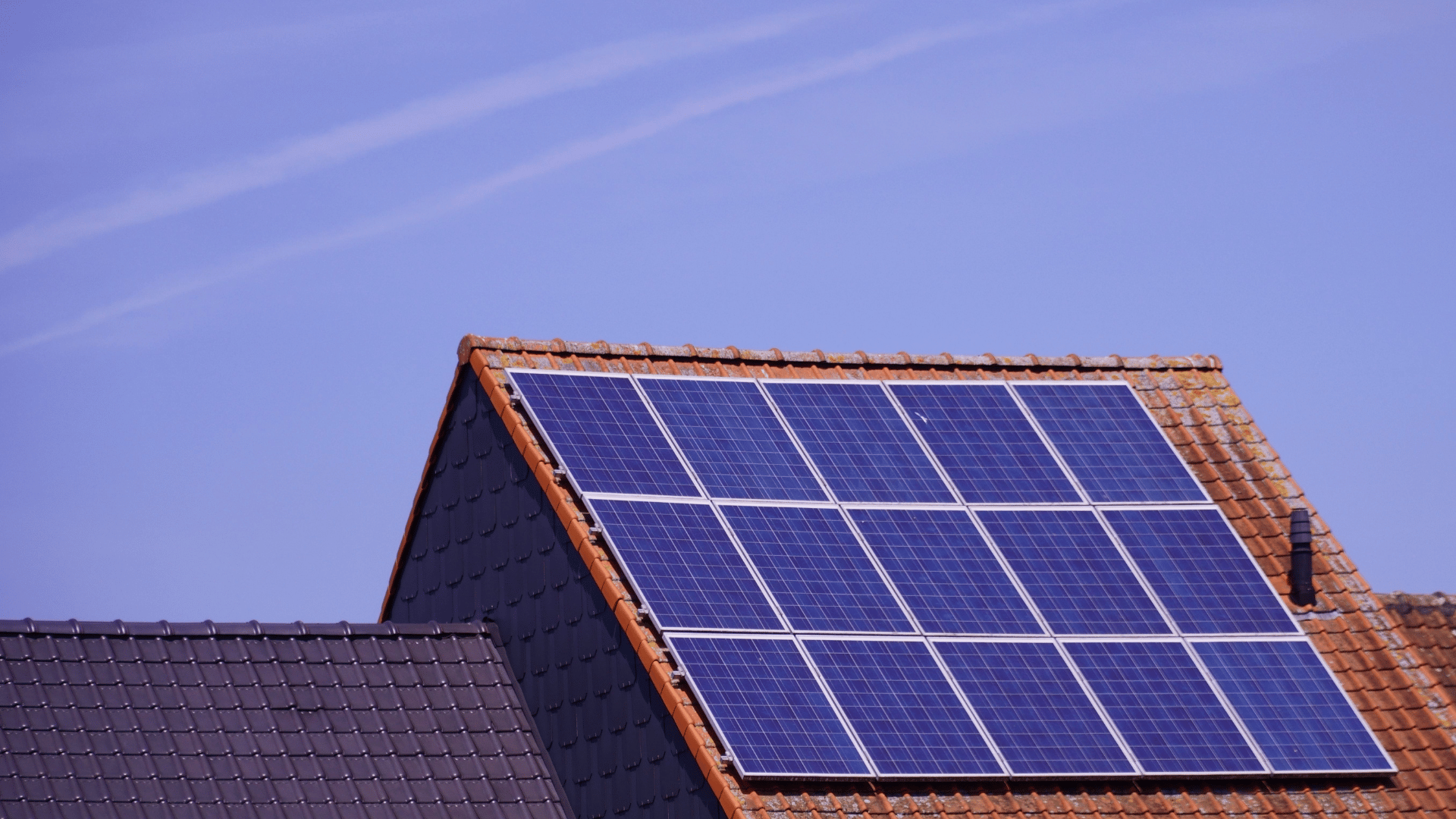
Featured Photo by Budget Bizar
Litigation
State and federal trial practice — business torts, property and construction disputes, DTPA claims, anti-SLAPP defense, injunctions, and appeals.
Tell us what happened.
We offer a free, same-day 7–10 minute consultation to assess your legal issue and tell you honestly whether we can help. Call, email, or send us a short description of the matter and a number to reach you.