Can You Sue a Solar Company in Texas?
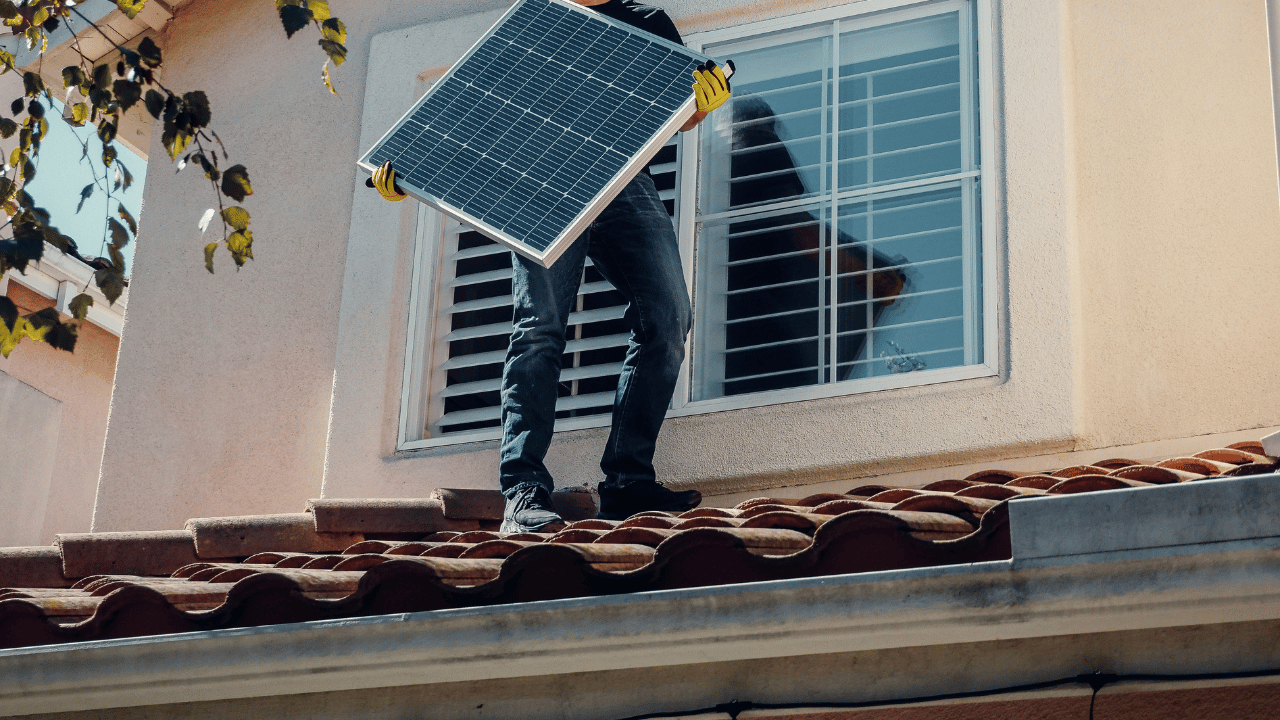
The panels have been on the roof for months.
The payment comes out every month.
But the system is producing almost nothing.
The installer says someone will call back. Nobody does.
Eventually, the homeowner stops asking when the system will be fixed and starts asking something else:
Can I sue the solar company?
Maybe. But the first question is not whether you can sue.
The first question is why the system does not work and what the company promised to provide.
Not Every Solar Failure Is the Same
A system can fail in different ways.
It may never have been completed.
It may fail inspection.
It may never receive permission to operate.
Equipment may be defective.
The system may work but produce substantially less power than represented.
Or the system may function as designed while the homeowner's electric bill remains much higher than the salesperson suggested.
Those are different problems.
They may produce different legal claims.
A Bad Result Is Not Automatically Fraud
This distinction matters.
Solar production varies based on system design, location, weather, energy consumption, shading, equipment, and other factors. The Department of Energy recognizes that homeowners need to evaluate those variables when determining whether solar makes financial sense.
So an electric bill that is higher than expected does not automatically prove anyone committed fraud.
The legal question is usually more specific.
What was represented, what was promised in the contract, and what actually happened?
Start With the Company's Contractual Obligations
Read the installation agreement.
What equipment was supposed to be installed?
Was a battery included?
Who was responsible for permits?
Who was responsible for activation?
What warranty was provided?
What repair obligations exist?
Did the agreement contain any specific production commitments?
A breach-of-contract analysis generally starts with the agreement itself.
Misrepresentation Is a Different Question
Suppose the contract is vague, but the salesperson made specific representations that induced the homeowner to sign.
That may raise additional issues.
The FTC has warned about solar businesses misrepresenting costs, savings, financing, and supposedly free solar programs.
Depending on the facts, a homeowner may need to evaluate not only contract claims but also potential misrepresentation or consumer-protection claims.
Who Is Actually Responsible?
Do not assume there is only one company involved.
A solar transaction can involve a salesperson, dealer, installer, lender, equipment manufacturer, and service provider.
The company responsible for installing the panels may not be the company collecting the monthly payment.
That distinction can matter when deciding who may be responsible for a particular problem.
What If the Installer Is Gone?
Installer bankruptcy or closure makes these disputes more difficult.
A warranty from a company that no longer exists may offer little practical help.
But the disappearance of the installer does not necessarily answer questions involving the financing company, other entities involved in the transaction, or the specific contractual rights of the homeowner.
Your Contract May Require Arbitration
"Suing" does not always mean filing a lawsuit at the courthouse.
Many solar agreements contain arbitration provisions requiring disputes to be decided privately.
The existence of an arbitration clause does not necessarily determine whether the homeowner has a valid claim. It can determine where and how that claim must be pursued.
Review the dispute-resolution section early.
Document the Failure
Preserve evidence showing what the system was supposed to do and what it actually did.
That can include:
- Installation agreements
- Financing agreements
- Solar production reports
- Utility bills
- Inspection reports
- Photographs
- Technician reports
- Repair requests
- Emails and texts
- Warranty claims
- Sales projections
- Equipment specifications
Do not rely on the company's online portal remaining available forever.
Download what you can.
What Damages May Be Available?
That depends on the legal claim and the evidence.
Potential damages in a solar dispute may involve financial losses, costs associated with repair or completion, contractual damages, or statutory remedies where applicable.
Attorney's fees may also be available under certain causes of action.
But damages are not automatic, and every case turns on its facts.
Talk to McMillan & Black About a Failed Solar System
If you are paying for a solar system that was never completed, never activated, does not work, or was materially different from what was represented, McMillan & Black can review the contracts and circumstances surrounding the transaction.
The goal is to identify what went wrong, who may be responsible, and what options may exist under Texas law.
Sources
Department of Energy Homeowner's Guide to Solar
Litigation
State and federal trial practice — business torts, property and construction disputes, DTPA claims, anti-SLAPP defense, injunctions, and appeals.
Tell us what happened.
We offer a free, same-day 7–10 minute consultation to assess your legal issue and tell you honestly whether we can help. Call, email, or send us a short description of the matter and a number to reach you.