What If You Stop Paying a Solar Loan?
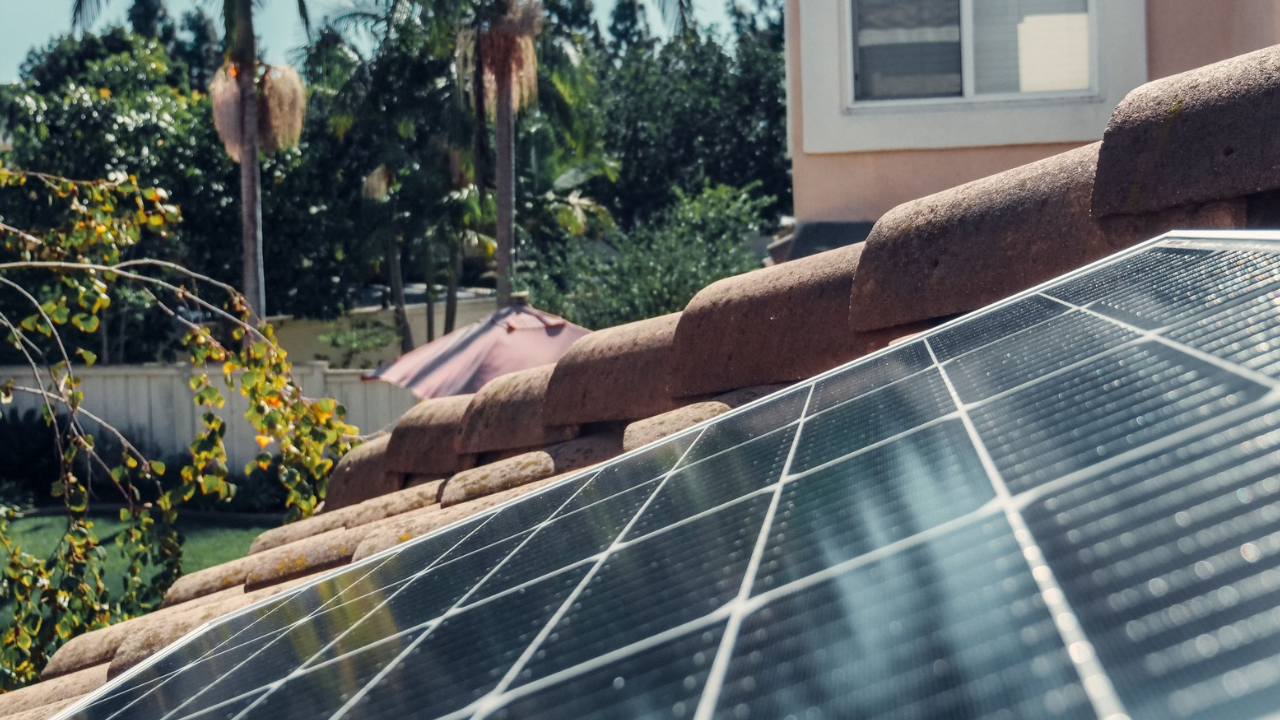
The panels are on the roof.
The electric bill is still there.
Maybe the system barely produces anything. Maybe it never received permission to operate. Maybe the installer stopped returning calls altogether.
The solar lender, however, has not disappeared.
The payment is still due every month.
Eventually, homeowners in this position ask a reasonable question: Why should I keep paying for a solar system that doesn't work?
The frustration makes sense. But stopping payment can have consequences of its own.
The Installer and the Lender May Be Two Different Companies
This is one of the most important things to understand about solar financing.
The company that sold or installed the panels may not be the company that financed them.
To the homeowner, it felt like one deal. One salesperson may have walked them through the installation and financing documents on the same tablet during the same appointment.
The CFPB has described exactly this feature of the solar-financing market: the sale, installation, and financing can blend together from the consumer's perspective even though different companies may be involved.
That distinction becomes important when something goes wrong.
The installer may have failed to perform while the lender still claims the financing agreement requires payment.
What Can Happen If You Stop Paying?
The exact consequences depend on the agreement, but a payment default may result in late charges, collection notices, credit reporting, demands for payment, or other remedies provided by the contract and applicable law.
That means the homeowner can end up with two disputes:
The first is over a solar system that does not work.
The second is over an unpaid loan.
That is why simply ignoring the financing company can make the situation more difficult.
But What If the Solar Panels Never Worked?
That fact matters.
There is a significant practical difference between a functioning system that failed to generate the savings someone hoped for and a system that was never completed, never activated, or was materially different from what was promised.
Document exactly what happened.
Was the system installed?
Did it pass inspection?
Did it receive permission to operate?
How much energy has it produced?
Were repairs requested?
What did the installer say?
What did the lender know?
The answers may affect the legal analysis even if they do not automatically eliminate the loan.
What If the Financing Was Misrepresented?
Some solar disputes involve more than defective panels.
Homeowners may claim they were misled about the cost of financing itself.
The CFPB has identified concerns involving hidden dealer fees, misleading descriptions of projected tax benefits, payment changes, and claims that solar savings would cover financing costs. It has also reported that some solar-specific loan fees can substantially increase the amount financed over the cash price.
If the financing was not presented accurately, that can raise different issues from a simple inability or refusal to make payments.
What About Liens or Security Interests?
Not every solar loan is structured the same way.
The CFPB notes that some solar loans are secured, often by the panels themselves, while others are unsecured.
Homeowners should therefore avoid assuming that every solar loan creates the same type of lien against the house.
Instead, review the actual financing documents for security-interest provisions, UCC-related language, default remedies, and provisions affecting a sale or transfer.
What If the Installer Went Bankrupt?
This can be particularly frustrating.
The company responsible for installation may disappear while the financing company remains in business.
A bankruptcy does not necessarily cause the homeowner's separate financing obligation to disappear.
That can leave the homeowner paying for a system with no meaningful installer warranty and nobody willing to finish or repair the work.
Before Missing a Payment, Build the File
Gather:
- Financing agreements
- Installation agreements
- Monthly statements
- Utility bills
- Solar production records
- Inspection documents
- Repair requests
- Emails and text messages
- Warranty documents
- Collection notices
- Sales presentations
- Savings projections
Create a timeline.
When was the system sold? When was it installed? When did problems begin? When did you notify the installer? What did the lender say?
A clean timeline can become extremely useful if the dispute escalates.
The Real Question Is Bigger Than Whether You Should Pay
The better question is:
What legal and contractual rights do you have before you make a decision that may affect your credit or create a default?
Sometimes homeowners have legitimate disputes involving performance, financing, misrepresentation, or deceptive sales practices.
But those issues should be evaluated deliberately.
Talk to McMillan & Black About a Solar Financing Dispute
McMillan & Black handles Texas disputes involving solar financing, installation failures, deceptive sales practices, collection issues, and related contract claims.
If you are paying for a system that does not work—or you are considering stopping payments because the transaction was not what you were promised—contact McMillan & Black to discuss the contracts and your options.
Sources
CFPB Solar Financing Issue Spotlight
Litigation
State and federal trial practice — business torts, property and construction disputes, DTPA claims, anti-SLAPP defense, injunctions, and appeals.
Tell us what happened.
We offer a free, same-day 7–10 minute consultation to assess your legal issue and tell you honestly whether we can help. Call, email, or send us a short description of the matter and a number to reach you.